
Understanding the connection between diabetes and gum disease is vital for your health. Poor glycemic control can increase oral bacteria and inflammation, leading to severe gum issues. This relationship complicates diabetes management, as gum disease can negatively affect your blood sugar levels. Regular dental check-ups and proper oral hygiene are essential in mitigating these risks. By maintaining an effective oral care routine, you can safeguard your overall well-being and discover more strategies for better health management.
Summary Point
- Diabetes significantly increases the risk of gum disease due to heightened inflammation and oral bacteria levels.
- Poor oral hygiene and high blood sugar levels contribute to the progression of gum disease.
- Early symptoms of gum disease include swollen gums, bad breath, and bleeding during brushing.
- Managing diabetes through diet, blood sugar monitoring, and oral hygiene can improve gum health.
- Regular dental check-ups are essential for monitoring oral health and preventing complications related to gum disease.
The Impact of Diabetes on Oral Health

When you manage diabetes, it’s essential to recognize how it can affect your oral health. Poor glycemic control can lead to increased oral bacteria, resulting in severe gum issues.
The importance of oral hygiene becomes even more pronounced—flossing and brushing your teeth regularly help minimize risks.
Diabetes management techniques, such as maintaining a balanced diet and monitoring blood sugar levels, directly contribute to better oral outcomes.
Studies indicate that individuals with diabetes have a higher risk of periodontal disease, which emphasizes the need for regular dental check-ups.
Understanding Gum Disease: Causes and Symptoms
Although gum disease often starts with mild symptoms, understanding its causes and recognizing key symptoms are essential for early intervention.
Gum disease results from the buildup of plaque due to poor oral hygiene, where risk factors like smoking, diabetes, and hormonal changes can exacerbate the issue.
Early symptoms include swollen gums, bad breath, and bleeding during brushing.
Prevention techniques, such as regular dental check-ups and proper oral hygiene, play critical roles in mitigating these risks.
If you notice signs of gum disease, exploring treatment options—ranging from professional cleanings to more advanced therapies—is crucial.
Patient education empowers you and others to maintain oral health, ensuring that you can effectively combat gum disease and protect overall well-being.
The Bi-Directional Relationship Between Diabetes and Gum Disease
If you have diabetes, you’re at a higher risk for gum inflammation, which can lead to gum disease.
Conversely, when gum disease develops, it can complicate the management of your diabetes by affecting your blood sugar levels.
Understanding this bi-directional relationship is vital for maintaining both your oral and overall health.
Diabetes Increases Gum Inflammation
Research shows that diabetes markedly increases gum inflammation, highlighting the bi-directional relationship between this chronic condition and periodontal disease.
When you manage diabetes symptoms poorly, excess glucose in your bloodstream can lead to inflammatory responses in your gums. This inflammation creates a favorable environment for bacteria to thrive, which exacerbates gum disease. You might notice symptoms like swollen or bleeding gums, which are signs of increased inflammation.
Furthermore, higher gum inflammation can complicate your diabetes management. The interplay of these conditions emphasizes the importance of maintaining good oral hygiene and regular dental check-ups.
Gum Disease Complicates Diabetes
When gum disease progresses, it can complicate your diabetes management, creating a challenging cycle that worsens both conditions.
Inflammation from gum disease can raise blood sugar levels, making it harder for you to maintain stable glucose control.
This, in turn, can lead to further oral health issues, as high blood sugar promotes bacterial growth in your gums.
Additionally, the body’s immune response to gum disease can interfere with insulin effectiveness, exacerbating diabetes symptoms.
To effectively manage your health, it’s essential to prioritize oral care and address any gum issues promptly.
How Elevated Blood Sugar Levels Contribute to Gum Disease
Although you mightn’t immediately connect elevated blood sugar levels with gum disease, this relationship is significant and rooted in biological processes.
High blood sugar disrupts your body’s ability to fight infections, leading to increased susceptibility to oral bacteria. When blood sugar levels rise, the extra glucose allows harmful bacteria to thrive, compromising your gum health.
These bacteria produce toxins that damage the gum tissue, creating an environment ripe for periodontal disease. In addition, the body’s inflammatory response can exacerbate gum damage, further complicating your oral health.
The Role of Inflammation in Diabetes and Oral Health
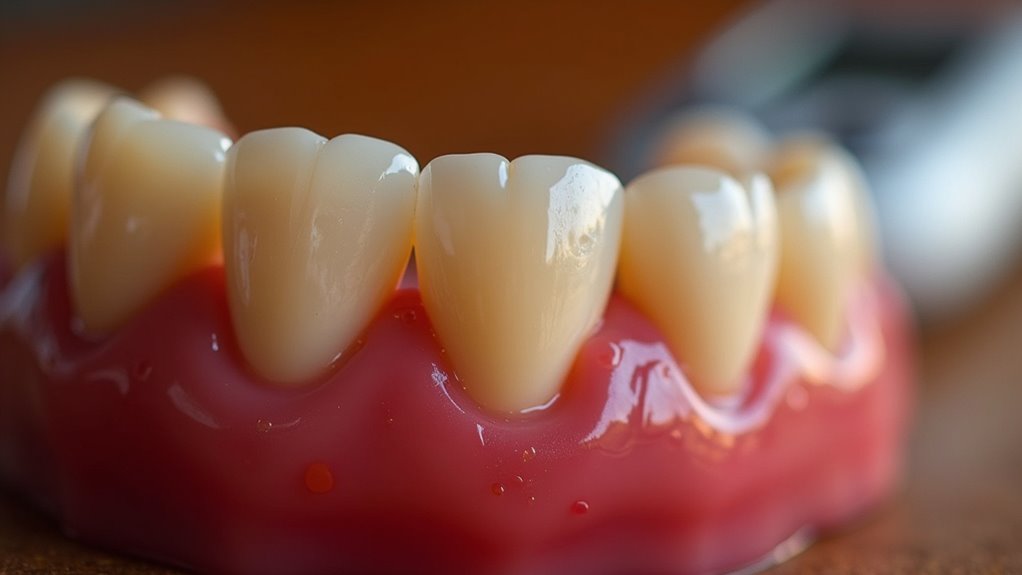
Inflammation plays a critical role in both diabetes and oral health, primarily through its connection to insulin resistance.
When you consume excess sugar, it can foster an environment where harmful oral bacteria thrive, further exacerbating inflammation.
Understanding this link is essential for managing your overall health and preventing complications associated with diabetes and gum disease.
Inflammation and Insulin Resistance
How does inflammation impact insulin resistance and contribute to both diabetes and oral health?
Chronic inflammation triggers an immunological response that disrupts your body’s metabolic balance. Elevated inflammatory markers can interfere with insulin signaling, making it harder for your cells to absorb glucose.
This insulin resistance not only impacts blood sugar control but also affects your oral health. Studies show that inflammatory cytokines can exacerbate gum disease, establishing a harmful cycle between diabetes and oral conditions.
When oral health declines, the body may experience further inflammation, aggravating insulin resistance.
Understanding this connection empowers you to take steps to improve both your diabetes management and your oral care, fostering a healthier life for yourself and those you aim to serve.
Oral Bacteria and Sugar
When sugar enters your diet, it doesn’t just affect your blood glucose levels; it also creates a feeding ground for harmful oral bacteria. Elevated sugar metabolism can disrupt your oral microbiome, shifting the balance towards pathogenic bacteria that thrive on excess sugar.
This imbalance leads to inflammation, a key factor in both gum disease and diabetes. As plaque builds up, your body responds with an inflammatory response, further complicating insulin resistance.
You mightn’t realize it, but maintaining a healthy diet low in sugar isn’t just about managing diabetes—it’s also essential for oral health. Empowering others with this knowledge can help them reduce inflammation and protect their overall well-being, bridging the gap between oral health and systemic health.
Strategies for Maintaining Oral Health With Diabetes

Although managing diabetes often requires an extensive approach to overall health, maintaining oral health deserves particular attention due to the interconnected nature of blood sugar levels and gum disease.
Pay close attention to your dietary habits, opting for sugar substitutes like xylitol products, which can help reduce cavities. Effective brushing and regular flossing are critical; aim for at least twice daily brushing and once-daily flossing.
Don’t underestimate the importance of hydration—drink plenty of water to promote saliva production. Incorporate tongue cleaning into your routine to remove bacteria, and consider the probiotic benefits of specific dental products.
Prioritize professional cleanings to catch potential issues early and ascertain your dental product selection supports your overall health goals.
The Importance of Regular Dental Check-Ups for Diabetic Patients
Regular dental check-ups are imperative for diabetic patients because they can prevent complications that arise from the interplay between high blood sugar levels and oral health. By prioritizing these visits, you’re not only protecting your smile but also your overall health.
Consider the importance of prevention through:
- Early detection of gum disease
- Personalized care plans tailored by dentist collaboration
- Education on effective oral hygiene practices
Research shows that poor oral health can exacerbate diabetes, creating a vicious cycle. Regular check-ups help monitor your dental status and guarantee timely interventions.
Emphasizing prevention empowers you to take control of your health, enhancing your quality of life while safeguarding your smile. Remember, your dentist plays a significant role in managing your diabetes alongside your oral care.