
When considering dental implants, you’ll find traditional and mini options, plus implant-supported dentures. Traditional implants offer durability and a long-lasting solution, typically costing $3,000 to $4,500 per tooth. Mini implants are less invasive and range from $500 to $1,500 each, but may be less stable. Implant-supported dentures enhance comfort and functionality with costs varying based on materials and expertise. Understanding your needs will help you choose the right type. More insights await as you explore further!
Summary Point
- Traditional dental implants provide durable, long-lasting solutions and typically cost between $3,000 to $4,500 per tooth.
- Mini dental implants are less invasive and more affordable, costing $500 to $1,500 each, but may offer less stability.
- Implant-supported dentures enhance comfort and functionality, with costs varying based on the number of implants and materials used.
- Consider your dental situation, as traditional implants are more suited for heavy bite pressures and longer-term needs.
- Weigh initial cost against long-term maintenance; quality implants may be pricier upfront but reduce future expenses.
Understanding Dental Implants: What Are They?
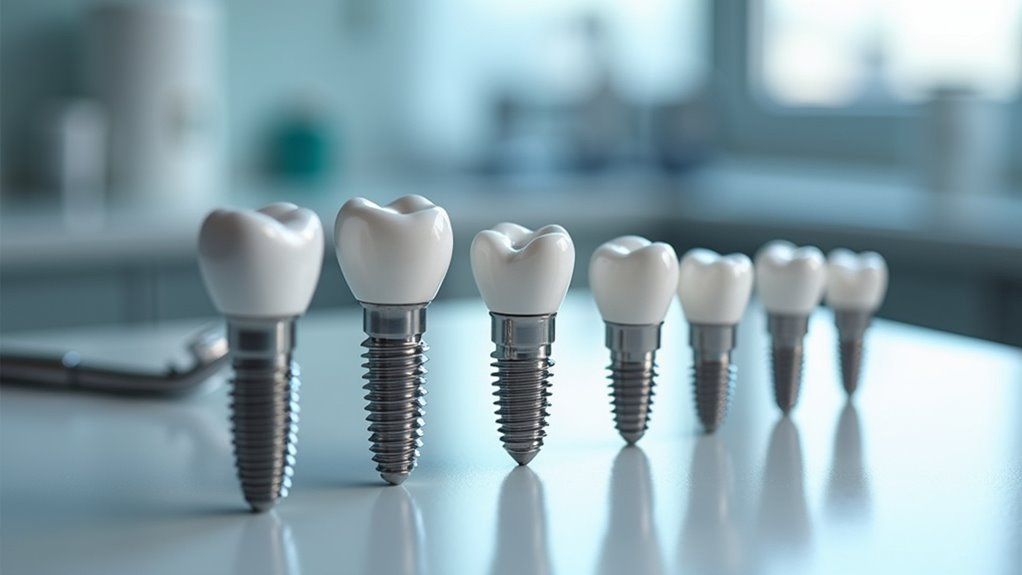
When you think about replacing a missing tooth, dental implants might be the most effective solution available today.
These titanium posts are surgically placed into the jawbone, acting as artificial roots to support crowns or bridges. During the implant procedure, your dentist will guarantee that the implant integrates with the bone, providing a stable base for your restoration.
The recovery timeline typically varies, ranging from a few weeks to several months, depending on individual healing factors and the complexity of the case. You’ll experience some swelling and discomfort initially, but these signs usually subside.
Traditional Dental Implants: Features and Benefits
Although many options exist for tooth replacement, traditional dental implants stand out due to their durability and effectiveness. These implants involve placing a titanium post into your jawbone, serving as a strong foundation for replacement teeth.
In clinical applications, they integrate with your bone, providing stability that mimics natural tooth roots. You’ll find that patient experiences often highlight the comfort and functionality they deliver, allowing individuals to eat and speak without issues.
Additionally, traditional implants can last a lifetime with proper care, making them a valuable investment in oral health. If you’re aiming to serve others effectively, understanding these benefits can help you guide patients toward a choice that restores their confidence and quality of life.
Mini Dental Implants: Advantages and Considerations
Mini dental implants offer several distinct advantages that make them an appealing option for many patients seeking tooth replacement.
First, their smaller size allows for less invasive procedures, often requiring no sutures and minimal recovery time. This means you can quickly return to normal activities. Additionally, mini implants often come at a lower cost compared to traditional implants, providing an economical solution with lasting benefits.
However, it’s important to take into account mini implant risks, such as potential instability for heavy bite pressures and limited application for certain dental situations.
Weighing these factors is vital in determining if mini implants are right for you. Consulting with your dentist will help guarantee you choose the best option for your unique needs while prioritizing patient comfort and care.
Implant-Supported Dentures: An Overview
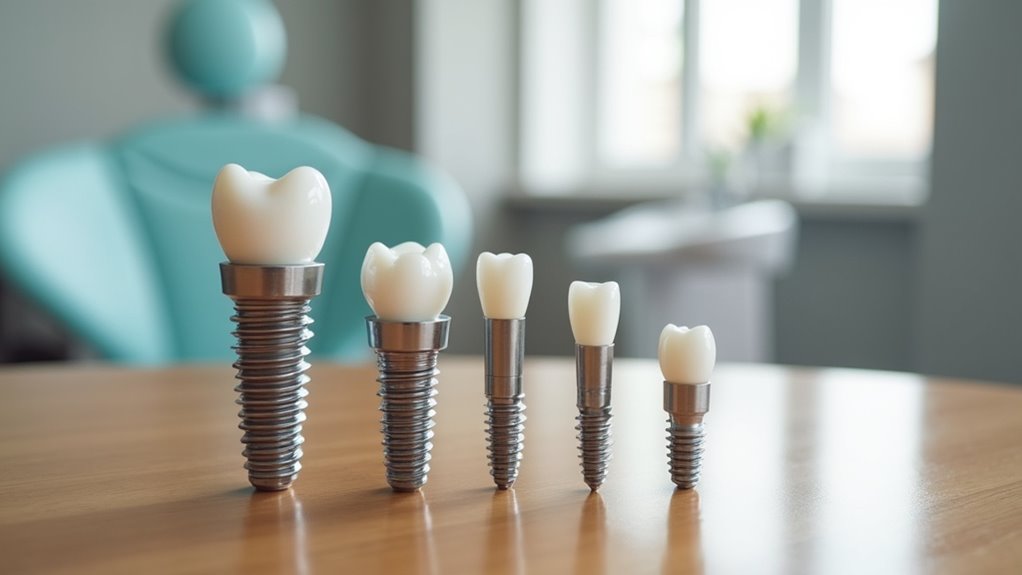
Implant-supported dentures offer a stable and secure solution for individuals seeking to replace missing teeth.
You’ll benefit from improved functionality and comfort compared to traditional dentures, enhancing your overall quality of life.
However, it’s crucial to evaluate the costs and various factors that influence pricing to make an informed decision.
Benefits of Implant-Supported Dentures
When you consider replacing missing teeth, implant-supported dentures offer a remarkable solution that combines functionality with stability.
These dentures are anchored to dental implants, providing improved stability compared to traditional removable options. You’ll find that this secure fit allows for better chewing and speech, enhancing your overall quality of life.
Additionally, they offer enhanced aesthetics, restoring your smile’s natural appearance and boosting your confidence. Unlike traditional dentures, which can shift or create discomfort, implant-supported dentures remain firmly in place, making daily activities more enjoyable and hassle-free.
Cost Considerations and Factors
Understanding the cost considerations associated with implant-supported dentures is essential for making an informed decision about your dental health.
The overall expense can vary considerably based on factors such as the number of implants needed, the type of materials used, and the dental professional’s expertise.
It’s important to explore financing options, which may include payment plans or dental credit services, to make the investment more manageable.
Additionally, checking your insurance coverage is critical, as some plans may partially cover the procedure or materials.
Knowing these details not only helps you budget effectively but also guarantees you choose a solution that meets your needs without compromising your financial stability.
Your dental health deserves thoughtful planning and consideration.
Comparing Costs of Different Dental Implants
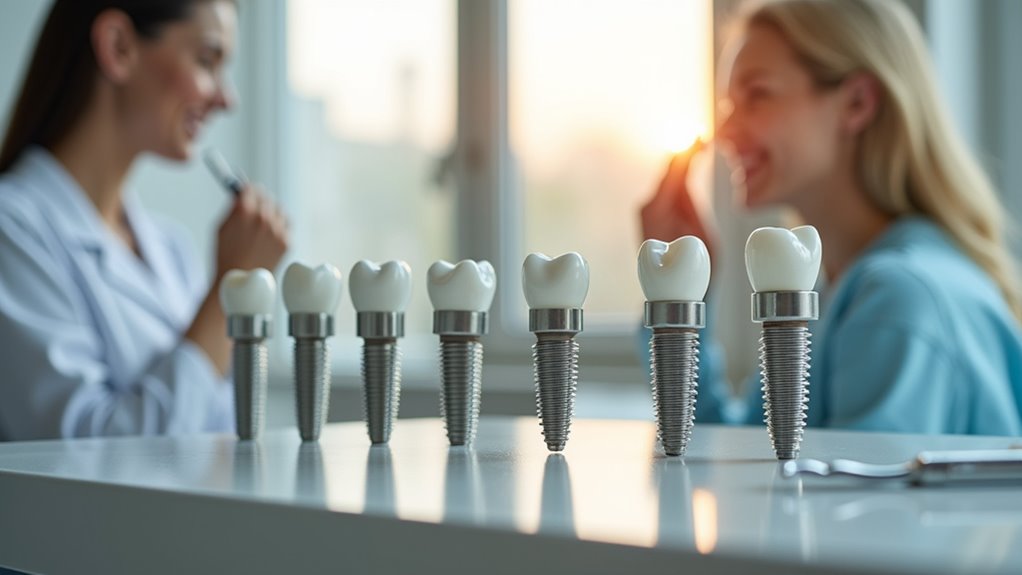
Steering through the world of dental implants can feel overwhelming, especially when it comes to costs.
Understanding cost comparisons between different types of implants is essential for making informed decisions. Generally, traditional dental implants may range from $3,000 to $4,500 per tooth, while mini implants often cost between $500 to $1,500 each.
You should also consider the longevity of each option; traditional implants typically last 10 to 15 years, whereas mini implants may require replacement sooner.
While it might be tempting to opt for cheaper options, investing in high-quality implants can pay off in the long run through reduced maintenance and better performance.
Choosing the Right Dental Implant for Your Needs
When choosing the right dental implant, it’s essential to understand the various types available and how they align with your specific needs.
Different implant options come with varying costs based on materials, design, and placement techniques.
Implant Types Overview
Choosing the right dental implant involves recognizing the various types available and determining which one aligns best with your oral health needs.
Broadly, dental implants can be categorized into two main types: endosteal and subperiosteal implants.
Endosteal implants, the most common, are surgically placed into the jawbone and come in various material options, such as titanium or zirconia, known for their implant success and biocompatibility.
Subperiosteal implants, on the other hand, sit above the jawbone but under the gum tissue, suitable for patients with insufficient bone height.
Evaluating these options carefully can enhance your understanding of which implant type serves both your functional and aesthetic goals.
Prioritize your specific needs to guarantee the best outcome.
Cost Comparison Factors
While the type of dental implant selected is essential, understanding the costs associated with different implants is equally important in making an informed decision.
Several factors influence these costs, including materials, technology, and the complexity of your specific case. You’ll want to check your insurance coverage, as some policies may partially cover implant procedures while others do not. This can greatly affect your out-of-pocket expenses.
Additionally, explore financing options, as many dental practices offer payment plans or third-party financing to help spread costs over time. Knowing these factors will empower you to choose an implant that fits not just your dental needs but also your financial situation.
Always consult with your dentist about the best path forward for your unique circumstances.