
Your oral health directly impacts your mental well-being. Dental anxiety and poor self-esteem can lead to feelings of anxiety and depression. When you neglect your dental care, it can negatively affect your mood and social interactions. Regular dental check-ups can help catch issues early, boosting your confidence and emotional health. Remember, the connection between oral and mental health is essential, and there’s more to explore about how you can improve both aspects of your well-being.
Summary Point
- Oral health significantly affects mental well-being, with poor dental conditions linked to increased anxiety and depression.
- Dental anxiety can impede emotional regulation, enhancing stress and mental health challenges.
- Self-care practices, such as regular dental check-ups, can improve both oral and mental health.
- Poor oral health negatively impacts self-esteem, leading to social withdrawal and increased anxiety.
- Good oral hygiene serves as a coping strategy, fostering mindfulness and enhancing overall emotional wellness.
Understanding the Link Between Oral and Mental Health
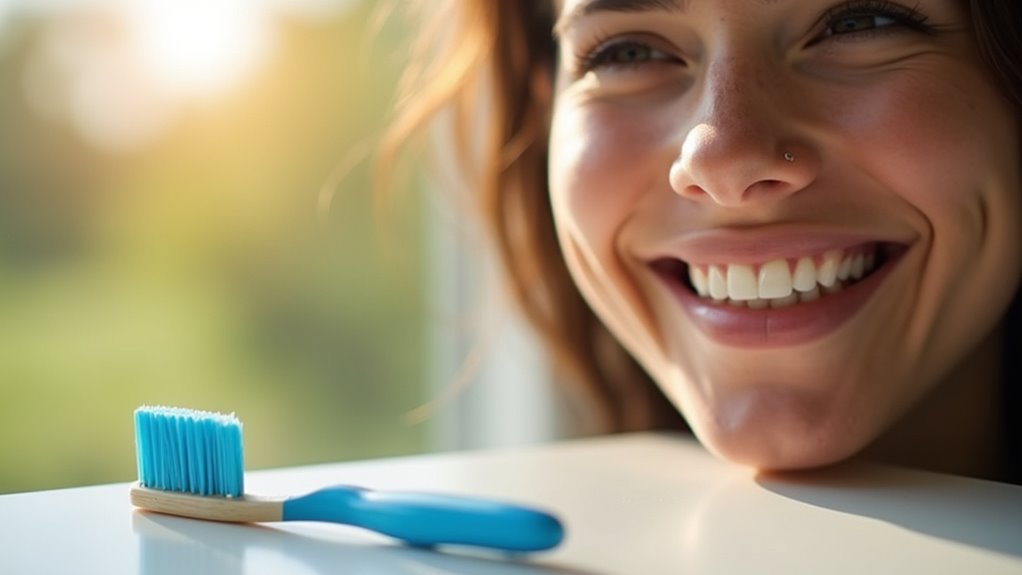
Although you mightn’t always consider it, your oral health greatly influences your mental well-being. Research shows that oral bacteria can impact your psychological health, contributing to conditions like anxiety and depression.
When you face dental anxiety, emotional regulation becomes challenging, leading to increased stress and affecting your overall mental resilience. It’s essential to recognize how health disparities can exacerbate these issues, particularly in underserved communities.
By incorporating self-care practices such as regular dental check-ups and stress management techniques, you can enhance both your oral and mental health.
Therapeutic interventions that address both domains can foster a holistic approach, nurturing your psychological well-being while reshaping social perceptions. Investing in your oral health isn’t just about teeth; it’s about promoting a healthier mind.
The Impact of Poor Oral Health on Self-Esteem
When you struggle with poor oral health, it can greatly affect your self-esteem and overall sense of worth.
Self-image concerns often arise when you feel embarrassed or ashamed about your teeth or breath. This can lead to withdrawal from social situations, as the social stigma surrounding dental issues can make you feel judged.
Research shows that individuals with poor oral health may experience heightened anxiety and depression, impacting their mental well-being.
It’s essential to recognize that prioritizing oral care isn’t just about physical health; it’s deeply connected to how you see yourself and interact with the world.
Taking steps to improve your oral health can uplift your self-esteem and foster a more positive self-image, enabling you to engage more fully in life.
How Oral Health Affects Social Interactions
Oral health plays an essential role in shaping your social interactions, as the condition of your mouth can greatly influence how you engage with others.
Poor oral health can lead to social anxiety, creating communication barriers that hinder meaningful connections. When you face confidence issues about your smile, it can affect your ability to participate in social settings, impacting public perceptions of you.
- You might hesitate to speak up in conversations.
- You could avoid social gatherings altogether.
- Your self-image may suffer, leading to isolation.
Understanding this connection empowers you to take charge of your oral health, fostering healthier interactions and deeper relationships.
The Role of Oral Hygiene in Anxiety and Depression

You mightn’t realize how closely your oral health connects to your mental well-being, especially when it comes to anxiety and depression.
Neglecting your dental hygiene can lead to physical manifestations that heighten your feelings of stress and low mood.
Oral Health and Anxiety
Maintaining good oral hygiene isn’t just about a bright smile; it can considerably impact your mental well-being. Practicing effective oral care can lead to anxiety reduction and a boost in your confidence.
By prioritizing dental visits, you’re not only taking care of your teeth but also nurturing your mental clarity and emotional health. Consider the following:
- Regular brushing and flossing can be a form of mindfulness practice, helping you stay present.
- The act of caring for your mouth can serve as a coping strategy during stressful times.
- A healthy mouth often leads to stress relief, allowing you to tackle daily challenges more effectively.
Investing in your oral hygiene is a powerful step toward overall wellness and tranquility.
Depression’s Physical Manifestations
Struggling with depression can lead to various physical manifestations that often go unnoticed, including the state of your oral health.
Depression symptoms, like fatigue and lack of motivation, might cause you to neglect your daily hygiene routine. This neglect can result in issues such as tooth decay, gum disease, or bad breath, further impacting your physical health and self-esteem.
Furthermore, the inflammation from poor oral health can exacerbate mental health struggles, creating a vicious cycle.
It’s crucial to recognize the link between your mental state and oral care, as nurturing both can foster overall well-being.
Hygiene Routines and Mood
Oral hygiene routines can greatly influence your mood, especially when steering through anxiety and depression.
These hygiene rituals not only keep your teeth healthy but serve as an act of self-care that can uplift your spirits.
Consider these benefits:
- Sense of accomplishment: Completing your hygiene routine can instill a feeling of success.
- Mindful moments: Engaging in these rituals provides a chance to focus on the present, promoting relaxation.
- Increased confidence: A clean mouth often translates to a brighter smile, which can enhance your mood.
Stress and Its Effects on Oral Health
While it mightn’t be immediately obvious, stress can greatly impact your oral health. When you’re stressed, you may neglect your oral hygiene, leading to problems like tooth decay and gum disease.
The tension often causes muscle clenching and teeth grinding, which can result in painful jaw issues. Furthermore, stress can trigger inflammation in the body, making it harder for your gums to fight off infection.
To combat these effects, incorporating effective stress management techniques into your daily routine is essential. Activities like meditation, yoga, or simply taking breaks can help.
The Importance of Regular Dental Check-Ups
Regular dental check-ups are essential for catching any issues before they escalate, helping you maintain both your oral and overall health.
These appointments not only focus on preventative care but also strengthen the connection between your mental well-being and physical health.
Early Detection of Issues
Maintaining your dental health isn’t just about having a bright smile; it plays an essential role in your overall well-being. Regular check-ups can reveal early warnings of potential issues, allowing for timely treatment options.
By prioritizing your oral health, you foster a holistic approach that benefits both your body and mind.
- You’ll catch problems before they escalate, reducing anxiety.
- Your self-esteem improves when you know you’re taking proactive steps.
- Supporting your community’s health often starts with personal care.
Being attentive to your dental health not only helps you serve yourself but also empowers you to serve others better.
Embrace the journey of well-being through early detection, and create a positive ripple effect in your life and those around you.
Preventative Care Benefits
Two recent studies show that individuals who commit to regular dental check-ups experience not only better oral health but also enhanced mental well-being.
When you prioritize dental screenings, you’re not just addressing potential cavities or gum disease; you’re also investing in your overall emotional health. Regular check-ups can help alleviate anxiety about unexpected dental issues, fostering a sense of control in your life.
Plus, incorporating flossing into your routine alongside these visits amplifies the benefits—reducing plaque and promoting healthier gums, which can positively impact your self-esteem.
By maintaining your oral health, you create a foundation for a balanced mind.
Connection to Overall Health
Your oral health is deeply intertwined with your overall well-being, and routine dental visits play an essential role in this connection.
By prioritizing dental check-ups, you not only enhance your oral hygiene but also bolster your mental resilience.
Consider these vital benefits:
- Early detection of oral issues prevents more significant health problems later on.
- A healthy smile boosts confidence, positively impacting your mood and relationships.
- Connections between oral health and mental well-being highlight the importance of caring for yourself holistically.
Practical Tips for Maintaining Good Oral Health

While it might seem overwhelming at times, taking care of your oral health is essential for overall well-being.
Start with effective brushing techniques, using a soft-bristled toothbrush and fluoride toothpaste. Aim to brush twice daily for two minutes.
Flossing techniques also matter; make it a habit to floss at least once a day to remove plaque between your teeth. Incorporating mouthwash benefits can further enhance your routine—look for one with antibacterial properties to reduce bad breath and promote gum health.
Don’t forget to stay hydrated, as this aids in saliva production, which protects your teeth.
Seeking Help: When to Talk to a Professional
Have you ever wondered when it’s time to seek professional help for your oral health? Recognizing these signs can enhance both your oral and mental well-being.
Consider reaching out for professional guidance if:
- You’re feeling anxious or depressed due to dental issues.
- You’re avoiding dental visits because of fear or embarrassment.
- You notice physical symptoms like persistent pain or bleeding.
Therapist communication can be invaluable in overcoming these obstacles.
Don’t hesitate to connect with a dentist or therapist who understands the interplay between oral health and mental wellness. Taking this step isn’t just about your teeth; it’s about nurturing your overall health and serving not only yourself but also those you care for.
Prioritize your well-being today.