
Dental emergencies can happen without warning and require immediate action. If you experience severe pain, swelling, or a knocked-out tooth, stay calm. Rinse your mouth, apply a cold compress, and note your symptoms for the dentist. Protect broken teeth with gauze and use milk to preserve knocked-out teeth. For lost fillings or crowns, avoid tough foods and seek professional care quickly. Understanding these steps can help prevent complications, and there’s more to learn about handling specific situations.
Summary Point
- Identify symptoms like severe pain, swelling, or bleeding to assess if it’s a dental emergency.
- For toothaches, rinse with warm salt water and use over-the-counter pain relief.
- If you chip or break a tooth, rinse gently and apply an ice pack to reduce swelling.
- For a knocked-out tooth, handle it by the crown, rinse, and place it in milk or saline.
- Seek professional dental help promptly to prevent complications and improve treatment outcomes.
Common Types of Dental Emergencies
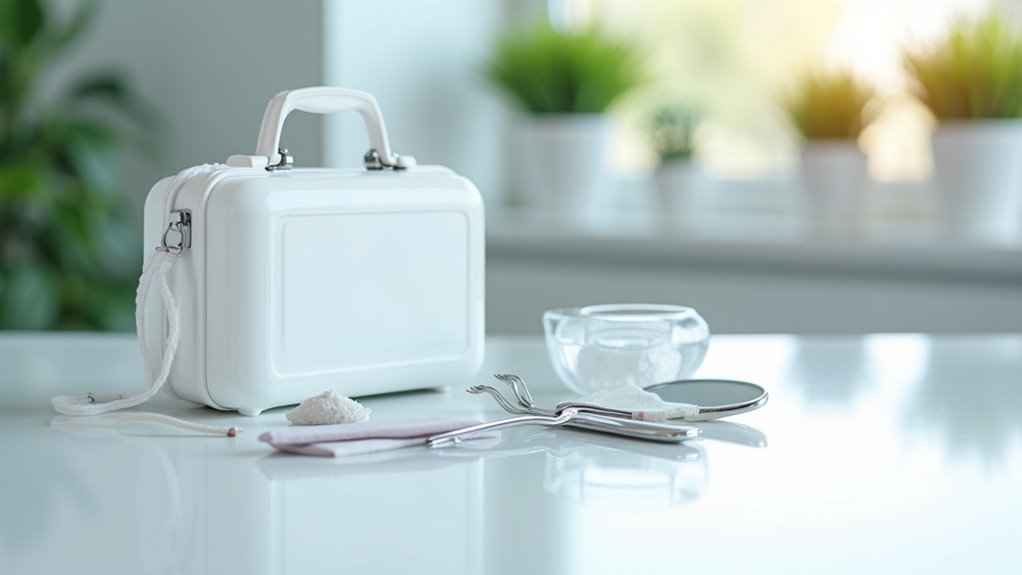
Dental emergencies can spring up unexpectedly, leaving you in need of immediate care. Understanding common types can help you act swiftly.
A tooth abscess is one serious issue, usually caused by an infection at the root of a tooth. You’ll notice pain, swelling, and sometimes fever, indicating urgent dental attention is vital.
Another common emergency is a gum laceration; this can result from trauma or injury, leading to bleeding and discomfort.
It’s important to assess the severity of the cut. If the bleeding doesn’t stop or if you can’t manage the pain, seek professional help immediately.
Identifying the Symptoms of a Dental Emergency
How can you tell if you’re facing a dental emergency? Symptom recognition is essential to effectively addressing urgent dental issues.
Look out for severe pain that doesn’t subside, swollen gums, or bleeding that persists beyond a few minutes. A chipped or knocked-out tooth also signals an emergency response is necessary.
If you notice signs of an infection, such as fever or pus, don’t hesitate to seek immediate care. Furthermore, if a dental abscess develops, it can lead to serious complications if ignored.
Immediate Steps to Take for a Toothache
When you experience a toothache, the first step is to identify what triggers the pain, whether it’s hot, cold, or pressure. Understanding these triggers can help you manage the discomfort more effectively.
Next, applying temporary relief, like over-the-counter pain medication or a cold compress, can provide some immediate comfort while you seek professional dental care.
Identify Pain Triggers
What steps should you take to identify the pain triggers of a toothache?
Start by paying attention to your tooth sensitivity. Note when the discomfort occurs—is it with hot, cold, sweet, or acidic foods? Keeping a pain journal can help you track these moments.
Next, gently tap or prod the affected tooth; does this increase your pain levels? Observe if certain movements, such as chewing or clenching your jaw, worsen the discomfort.
If you experience swelling or radiating pain to nearby areas, that’s also significant. Understanding these pain triggers will give your dentist valuable information, enabling them to diagnose the issue promptly and accurately.
Apply Temporary Relief
Although a toothache can be distressing, there are immediate steps you can take to alleviate the pain temporarily.
One effective home remedy involves rinsing your mouth with warm salt water, which can help reduce inflammation and cleanse the area.
Applying a cold compress on the outside of your cheek can also provide pain relief by numbing the area.
Over-the-counter pain relievers like ibuprofen can further ease discomfort, but always follow the recommended dosage.
If the pain persists, consider clove oil applied with a cotton ball as a natural remedy; it’s known for its analgesic properties.
What to Do if You Chip or Break a Tooth
If you chip or break a tooth, it’s important to act quickly to minimize further damage and pain.
Rinse your mouth with warm water and apply a cold compress to reduce swelling, if needed.
Knowing when to seek professional treatment can help guarantee you receive the appropriate care to preserve your dental health.
Immediate Care Steps
Experiencing a chipped or broken tooth can be alarming, but knowing how to respond immediately can make all the difference in preserving your dental health. Here are immediate care steps you should take:
- Rinse your mouth gently with warm water to clean the area.
- Apply an ice pack to the outside of your cheek for 15-20 minutes to reduce swelling and discomfort.
- Use an emergency dental kit to cover any sharp edges and protect your gums.
- If there’s bleeding, apply gauze gently until it stops.
These steps can help you manage the situation effectively until you can seek professional help.
Acting promptly and carefully will provide you with the best chance of preserving your smile.
When to Seek Treatment
When should you seek treatment after chipping or breaking a tooth? You should promptly consult a dentist if you experience significant pain, bleeding, or noticeable swelling. These symptoms could indicate a more serious issue requiring immediate attention.
Even if the pain is mild, don’t ignore it; maintaining symptom awareness is vital for your dental health. If you feel dental anxiety, try to communicate this with your dentist, who can help alleviate your concerns and guide you through the process.
Additionally, if the chip or break affects the tooth’s structure or appearance, seek treatment to prevent further damage. Remember, acting quickly can often save your tooth and guarantee your overall well-being. Always prioritize your dental health.
Handling a Knocked-Out Tooth
A knocked-out tooth can be a shocking experience, but swift action can make all the difference in saving it. Here’s what you should do:
- Find the Tooth: Locate the tooth right away and handle it by the crown, avoiding the root.
- Rinse Gently: Rinse it gently under water to remove dirt, but don’t scrub or use soap.
- Preserve the Tooth: Use tooth preservation techniques by placing it in a container with milk or saline solution. If available, you can also use an emergency dental kit.
- Seek Dental Care: Visit your dentist within 30 minutes, as prompt treatment increases the likelihood of saving the tooth.
Acting quickly can save the day and restore your smile!
Dealing With Lost Fillings or Crowns
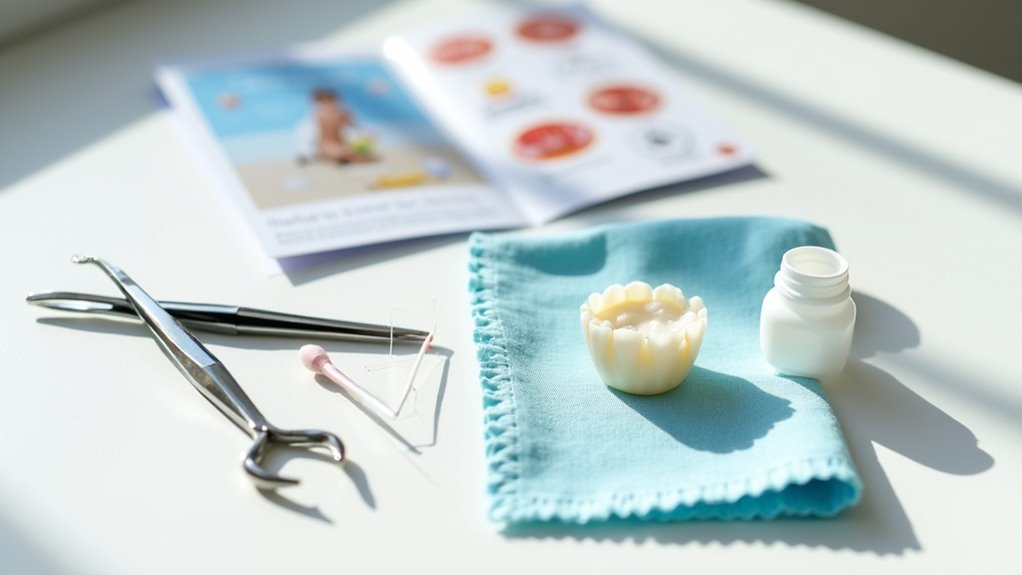
Lost fillings or crowns can be frustrating, but addressing the issue promptly can prevent further complications.
If you’ve lost a filling or a crown, try to keep the area clean by rinsing your mouth gently with warm salt water. You can also use dental cement, which is available at most pharmacies, as a temporary solution to protect the exposed tooth.
For a lost crown, if you still have it, you can apply a small amount of toothpaste or dental adhesive to temporarily reattach it. Avoid hard or sticky foods until you see your dentist.
When to Seek Professional Dental Care
Understanding the signs that indicate a need for professional dental care is essential for protecting your oral health. If you experience any of the following issues, don’t hesitate to seek assistance:
- Persistent pain or swelling in the gums or jaw.
- A tooth that’s cracked, broken, or severely discolored.
- Uncontrolled bleeding from the mouth or a tooth.
- Signs of infection, such as fever or bad breath.
Make certain to have your dental insurance information ready, as it can facilitate immediate care.
Additionally, keep a list of emergency contacts handy in case you need to consult a dentist after hours. Being proactive helps guarantee you receive the treatment you need promptly and effectively.
Tips for Preventing Dental Emergencies
While dental emergencies can happen unexpectedly, there are several effective strategies you can implement to minimize your risk. First, commit to regular dental check-ups; these visits allow your dentist to detect potential issues before they escalate.
Next, prioritize proper oral hygiene by brushing twice daily and flossing regularly. This routine helps combat decay and gum disease, which can lead to emergencies.
Additionally, be mindful of your diet—limit sugary snacks and avoid hard foods that may crack your teeth. Wearing a mouthguard during sports can also protect your smile.