
When tooth pain strikes at midnight, assess your pain level and try over-the-counter painkillers or a cold compress for relief. Rinse with warm salt water to reduce inflammation. Finding an emergency dentist nearby is essential; check online for those open 24/7 and read reviews to guarantee quality care. Don’t wait too long; severe pain and swelling can signal a serious issue. Keep going to discover more about handling dental emergencies effectively.
Summary Point
- Assess the pain intensity and any accompanying symptoms, and determine if immediate dental care is necessary.
- Use over-the-counter painkillers and a cold compress for temporary relief before contacting a dentist.
- Search online for local emergency dental offices that operate late or 24/7 for immediate assistance.
- Check reviews or personal recommendations to find a reliable and comfortable emergency dentist.
- Keep emergency contacts handy and remain calm, as quick action can prevent complications from tooth pain.
Understanding Common Dental Emergencies

Dental emergencies can strike unexpectedly, leaving you in pain and needing immediate care. It’s essential to understand common dental emergencies, so you’re prepared when they occur.
Issues like knocked-out teeth, painful abscesses, or severe fractures can be distressing. Knowing your tooth anatomy helps you identify the severity of the problem. For example, if a tooth is completely dislodged, time is critical—handle it by the crown and keep it moist.
Always have your emergency contacts handy, including a nearby dentist’s number, to expedite your care. Don’t wait until you’re in crisis; familiarize yourself with these situations beforehand.
Assessing Your Pain Level
When you’re experiencing tooth pain, it’s essential to evaluate its severity and type to determine your next steps.
Understanding whether you’re dealing with sharp, throbbing, or dull pain can help identify the issue and inform emergency care.
You can also consider immediate relief options to ease discomfort while you seek professional help.
Identifying Severity of Pain
How do you know if your toothache requires immediate attention? Start by evaluating your pain indicators. If your discomfort is sharp, throbbing, or persistent, it might signal a more serious issue.
Use severity charts as a guide; mild pain may be manageable with over-the-counter medication, while severe pain often indicates the need for emergency care. Pay attention to accompanying symptoms like swelling or fever, which can suggest infection.
If your pain disrupts sleep or daily activities, don’t hesitate to reach out to an emergency dentist. Remember, addressing severe dental pain promptly not only alleviates discomfort but also prevents further complications.
Trust your instincts—when in doubt, it’s better to seek help and guarantee your well-being.
Types of Tooth Pain
While evaluating your tooth pain, it’s essential to recognize the different types of discomfort you might experience, as they can indicate varying levels of urgency.
You may feel throbbing or sharp pain, often linked to tooth decay, signaling a serious issue that needs immediate attention. Conversely, you might’ve sensitive teeth that cause discomfort when you consume hot or cold foods, which mightn’t be as urgent but still deserves your attention.
Dull, aching pain can suggest a less critical problem, but it’s important not to ignore it. Understanding these pain types helps you determine when to seek an emergency dentist, ensuring you address the issue effectively while serving your dental health needs.
Immediate Relief Options
Experiencing tooth pain can be distressing, but knowing how to assess your pain level is the first step toward finding immediate relief.
Start by identifying the intensity of your pain—on a scale of one to ten, where do you stand? If you’re hovering around seven or higher, it’s time to explore pain relief methods. Over-the-counter painkillers like ibuprofen or acetaminophen can offer short-term comfort while you seek emergency care.
Also, cold compresses on the outside of your cheek can reduce swelling and numb the area temporarily. Pay attention to additional symptoms like swelling or fever, as these could signal a more severe issue, urging immediate dental attention.
Protect yourself by understanding your pain and reacting promptly.
Immediate Home Remedies for Tooth Pain
When tooth pain strikes, you can find quick relief with a few simple home remedies.
Rinsing with warm salt water, applying a cold compress, or taking over-the-counter pain relievers can help ease your discomfort.
These methods are great for temporary relief while you plan your visit to the dentist.
Warm Salt Water Rinse
A simple yet effective remedy for tooth pain is a warm salt water rinse. This technique harnesses the salt water benefits, providing immediate relief and helping to reduce inflammation.
To use this method, mix about half a teaspoon of salt in a cup of warm water. Swish the solution in your mouth for about 30 seconds, focusing on the painful area, then spit it out.
Repeat this process a few times throughout the day as needed. The warm salt water helps cleanse the area, removes irritants, and promotes healing. Plus, it can soothe swollen gums and enhance your comfort until you can visit an emergency dentist.
Taking this step can genuinely help you support yourself and others in moments of pain.
Cold Compress Application
Applying a cold compress can be a quick and effective way to alleviate tooth pain. You can use cold compress techniques by wrapping ice in a cloth or using a frozen gel pack.
Place the compress on the outside of your cheek for immediate relief. Guarantee to keep the cold compress in place for approximately 15 to 20 minutes. Afterward, take a break for at least 20 minutes before reapplying.
This helps numb the area, reduce swelling, and minimize discomfort. If you’re caring for someone else, make certain they’re comfortable and guide them through the process.
Over-the-Counter Pain Relief
If a cold compress isn’t enough to ease your discomfort, over-the-counter pain relief options can offer additional support for tooth pain.
Medications like ibuprofen or acetaminophen can be effective in reducing inflammation and alleviating pain. Always start with the lowest effective dose and follow the dosage guidelines on the packaging or consult a pharmacist if you’re unsure.
Remember, while these over-the-counter medications can provide temporary relief, they don’t address the underlying dental issue. If pain persists or worsens, seeking professional dental help remains essential.
Beyond medications, consider using clove oil applied to the affected area for a natural approach.
You’ve got options to manage your discomfort while waiting for the next steps in your dental care!
Finding an Emergency Dentist
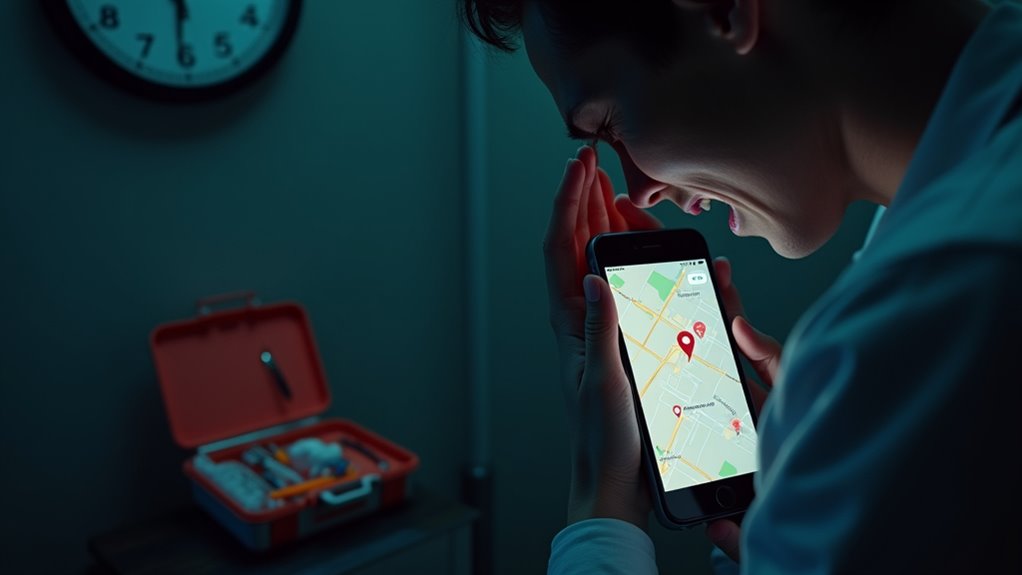
Where do you turn when a dental emergency strikes? The first step is knowing how to find an emergency dentist.
Start by searching online for local emergency dental offices open late or 24/7. Look for reviews and ratings to gauge their reliability and expertise.
Don’t hesitate to ask friends or family for recommendations; personal experiences can guide you in choosing a dentist who prioritizes patient care.
Additionally, check if they accept your insurance or offer payment plans, as affordability is key during emergencies.
Most importantly, trust your instincts—choose a dentist with whom you feel comfortable, ensuring you receive not only prompt care but also a compassionate approach to your dental needs.
What to Expect During an Emergency Dental Visit
After finding an emergency dentist, you might be wondering what to expect during your visit.
Initially, you’ll undergo a thorough dental examination, where the dentist will assess your symptoms, conduct X-rays if necessary, and identify the cause of your pain.
This step is essential for determining the right approach to your situation.
Once the diagnosis is complete, the dentist will discuss various treatment options tailored to your needs. These could range from a simple filling to more complex procedures like a root canal.
Throughout the process, feel free to ask questions about any concerns you have—understanding your treatment is key to feeling comfortable.
Preventive Measures to Avoid Future Emergencies
Preventive measures play an essential role in avoiding future dental emergencies, and taking proactive steps can save you from pain and costly treatments.
First, prioritize your oral hygiene by brushing twice daily and flossing regularly to prevent cavities and gum disease.
Don’t underestimate the importance of routine checkups with your dentist; these visits help catch issues before they escalate into emergencies.
Additionally, be mindful of your diet—limit sugary snacks and beverages while opting for healthier choices that support oral health.
Using a mouthguard during sports can also protect you from dental injuries.
When to Seek Immediate Medical Attention
When should you consider seeking immediate medical attention for a dental issue? If you’re experiencing urgent symptoms that go beyond typical discomfort, it’s time to act fast.
Delay can worsen your situation and lead to potential tooth extraction.
- Severe swelling or a lump in your jaw
- Uncontrolled bleeding from your gums or mouth
- Intense pain that doesn’t subside with over-the-counter medication
Don’t hesitate to contact an emergency dentist if any of these issues arise.
Being proactive is vital in preventing complications that could permanently damage your teeth or overall health.
Remember, taking immediate action can save your smile and guarantee the best possible outcome for your dental health.
Your well-being is worth it!
Managing Dental Anxiety and Fear
Managing dental anxiety and fear is essential for maintaining your oral health, especially if you face an unexpected dental emergency.
To help calm your nerves, consider using dental relaxation techniques. One effective method is practicing breathing exercises. Take a deep breath in for four counts, hold it for four counts, and then exhale slowly for another four counts. Repeat this until you feel more at ease.
Visualizing a peaceful place can also help distract you during your appointment. Remember, it’s okay to communicate your fears to your dentist; they’re trained to support you.