
Root canal treatments are often misunderstood. Many people fear they’ll be painful, but local anesthesia guarantees a comfortable experience. Contrary to popular belief, these procedures save your tooth rather than cause its loss. Age isn’t a barrier; root canals can be necessary for anyone. They don’t pose health risks, and recovery is typically mild. Not all dentists have the same expertise; choosing a specialist increases success rates. Discover more insights that can change your view on this common dental procedure.
Summary Point
- Root canals are not painful; local anesthesia and sedation techniques have improved patient comfort significantly during the procedure.
- The goal of root canals is tooth preservation, with high success rates allowing patients to keep their treated teeth for years.
- There is no age restriction for receiving root canals; they can benefit individuals from childhood through adulthood facing decay or trauma.
- Scientific evidence shows root canals do not cause systemic illnesses; they are safe, effective treatments for infected teeth.
- Recovery from a root canal is typically quick, with mild discomfort easily managed through over-the-counter pain relief and proper post-treatment care.
Understanding What a Root Canal Treatment Entails
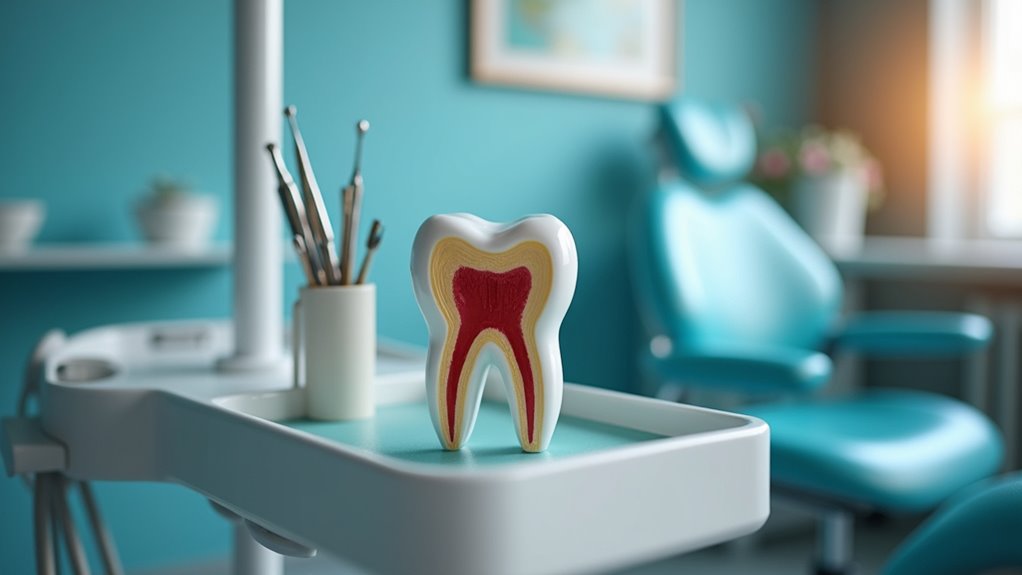
When you’re faced with the prospect of a root canal, it’s important to understand exactly what the treatment involves. The primary goal is to eliminate infection and preserve your natural tooth.
During the treatment process, your dentist will administer anesthesia to guarantee comfort. They’ll then create an opening in the tooth to access the pulp chamber and root canals. Using specialized instruments, they’ll remove the infected tissues and clean the canals thoroughly.
After cleaning, your dentist fills the space with a biocompatible material to prevent reinfection. In many cases, a crown is placed afterward to restore the tooth’s strength and function.
Understanding these steps can help alleviate concerns and facilitate a smoother experience for both you and your health care provider.
Myth 1: Root Canals Are Extremely Painful
Many people believe root canals are extremely painful, but this misconception often stems from outdated experiences or a lack of understanding.
In reality, advancements in dentistry have made root canals more comfortable than ever. With effective pain management strategies, most patients report minimal discomfort during and after the procedure.
Consider the following:
- Local Anesthesia: Skilled dentists utilize local anesthesia to numb the area, ensuring you feel little to no pain.
- Sedation Options: If anxiety is a concern, sedation treatment options are available to keep you relaxed throughout the procedure.
- Post-Treatment Care: Your dentist will provide clear instructions on pain management after the treatment, allowing for a smoother recovery.
Root canals can save your tooth and relieve pain, not cause it.
Myth 2: You’ll Definitely Lose Your Tooth After a Root Canal
Root canals often have a reputation for being the end of a tooth’s life, leading to the myth that you’ll definitely lose your tooth after the procedure.
In reality, root canals are designed for tooth preservation, allowing you to keep your natural tooth and restore its function. When performed by a skilled dentist, treatment success rates are quite high, with many patients enjoying years of continued use of their treated teeth.
The procedure eliminates infection and alleviates pain, ultimately extending the lifespan of your tooth. By addressing the issue early, you actively contribute to your dental health and avoid the complications associated with tooth loss.
Myth 3: Only Older Adults Need Root Canals

While some may believe that root canals are primarily necessary for older adults, this misconception overlooks the reality that people of all ages can develop dental issues requiring this treatment.
Root canal misconceptions can create unnecessary fear, making younger patients hesitant to seek care.
Consider the following points:
- Cavities and Trauma: Children and teens can suffer from dental injuries and cavities needing root canals.
- Genetics: Some individuals might inherit dental sensitivities, leading to issues at a young age.
- Neglect: Poor oral hygiene can affect anyone, regardless of age, resulting in severe decay.
Addressing these age-related dental issues promptly can help preserve your teeth, ensuring a healthier smile for years to come.
Don’t let age define your dental needs.
Myth 4: Root Canals Cause Illness
Despite common misconceptions, there’s no scientific evidence linking root canals to systemic illnesses. Many root canal controversies stem from outdated theories suggesting that bacteria from treated teeth could lead to chronic diseases.
Research has consistently disproved these disease connections, showing that root canals are both safe and effective in preserving dental health.
Studies indicate that successful root canal treatments not only alleviate pain but also prevent potential complications associated with untreated infections.
Emphasizing the importance of oral health, it’s essential for you to dispel such myths. A strong understanding of the facts can empower you to make informed decisions, ensuring that you receive appropriate dental care without unnecessary fear of illness stemming from this important procedure.
Myth 5: You Can Wait to Get a Root Canal
Waiting to get a root canal can greatly worsen your condition.
As time passes, the risk of infection increases, leading to potential complications that could threaten your overall dental health.
Addressing the issue promptly not only provides immediate pain relief but also helps prevent long-term damage to your teeth and gums.
Immediate Pain Relief Needed
Delaying a root canal can lead to major complications, as many patients mistakenly believe that it’s acceptable to postpone treatment until the pain becomes unbearable. This belief can hinder effective pain management and result in greater discomfort.
An urgent dental procedure is often required to alleviate the pain and infection.
Consider these critical points:
- Extended Pain: Waiting can result in prolonged suffering and worsening of symptoms.
- Complexity: The situation may evolve into a more complex issue, leading to additional treatments.
- Long-Term Health: Prompt treatment can help maintain your overall dental health.
Acting swiftly not only reduces pain but also promotes better outcomes and greatly enhances your quality of life.
Don’t hesitate to seek care when you need it.
Infection Risks Increase Over Time
Procrastinating on a root canal increases the risk of developing an infection in the affected tooth and surrounding tissues.
When you delay treatment, infection progression can occur, leading to greater pain and complications. Bacteria can infiltrate deeper, creating potential abscesses that not only affect your dental health but also your overall well-being.
Preventive care is essential; addressing issues promptly can prevent extensive damage and necessary extractions. The sooner you act, the greater the chances of preserving your natural tooth.
Make informed decisions about your dental health; waiting can turn a manageable situation into a complex one. Prioritize your treatment to safeguard against infections that can escalate over time.
Taking action now helps you serve others by maintaining your health and wellness.
Long-term Dental Health Impact
While some may believe that postponing a root canal won’t have serious consequences, the reality is quite different.
Waiting can lead to severe long-term dental health issues, impacting your overall well-being and complicating future dental maintenance.
Consider these long-term benefits of timely treatment:
- Pain Relief: Addressing the infection promptly alleviates discomfort and restores oral health.
- Preservation of Tooth Structure: A root canal can save your natural tooth, preventing the need for implants or bridges.
- Cost-effectiveness: Early intervention often reduces long-term treatment costs associated with complications or tooth loss.
Delaying a root canal can jeopardize your dental health and increase the likelihood of more extensive treatments down the line.
Prioritizing immediate care safeguards your smile for the future.
Myth 6: All Dentists Are the Same When It Comes to Root Canals

Not all dentists have the same level of expertise when it comes to root canals.
Specialized endodontists undergo additional training, making their skills and techniques distinct from general dentists, which can greatly impact your treatment outcome.
Additionally, the technology and methods employed can vary widely, influencing both the comfort and effectiveness of the procedure.
Specialized Endodontic Training
When considering a root canal, it’s crucial to understand that not all dentists possess the same level of expertise in this specialized procedure. Many general dentists may be skilled in basic dental care, but specialized endodontic training equips professionals with advanced knowledge of endodontic techniques. This training allows them to perform root canals with precision and confidence, ensuring better outcomes for patients.
- Certified specialists focus extensively on root canal procedures.
- They’re trained in the latest technology and techniques for effective treatment.
- Patient education is often prioritized, providing you with detailed insights and care plans.
Choosing an endodontist can enhance your experience and outcomes, ensuring that you’re receiving the highest standard of care for your dental health.
Experience Matters Significantly
Choosing the right dentist for a root canal can greatly impact the success of your treatment. Many believe that all dentists possess equal skills, but experience matters considerably.
Dentists with specialized training and extensive practice in performing root canals can navigate complex cases more effectively. Expert recommendations suggest seeking providers who specialize in endodontic treatments, as their depth of knowledge enhances patient outcomes.
Additionally, patient testimonials often highlight the difference that experienced practitioners make regarding comfort and care during procedures. When you prioritize an experienced dentist, you’re not just choosing someone to perform a procedure; you’re selecting a partner in your dental health who understands nuances that can lead to successful, long-lasting results.
Technology and Techniques Differ
While many patients may assume that all dentists utilize the same tools and techniques for root canals, the reality is quite different.
Advanced technologies markedly enhance both the precision of treatments and patient comfort.
- Laser technology can minimize discomfort and improve healing times.
- Digital imaging allows for more accurate diagnosis and treatment planning.
- Sedation options cater to anxiety, guaranteeing a more relaxed experience.
These innovations facilitate advanced techniques that traditional methods may not offer, elevating the overall quality of care.
Not all dentists are equipped with the latest tools, so it’s essential to research and choose a specialist who prioritizes advanced techniques.
Doing so assures you receive an efficient, precise root canal treatment tailored to your individual needs.
Myth 7: Recovery From a Root Canal Is Difficult and Lengthy
Many people believe recovery from a root canal is both difficult and lengthy, but this misconception often stems from outdated information and fear.
In reality, most patients experience mild discomfort, easily managed with over-the-counter pain relief. Post treatment care is straightforward; your dentist will provide specific instructions, including dietary recommendations and restrictions.
Swelling is typically minimal, and any sensitivity usually subsides within a few days. Engaging in proper oral hygiene and attending follow-up appointments aids in a swift recovery.