
Tooth erosion is the gradual wear of enamel, leading to sensitivity and increased decay risk. Common causes include acidic foods, poor oral hygiene, teeth grinding, and specific medical conditions like GERD and diabetes. Your diet greatly influences erosion; sugary and acidic beverages accelerate enamel loss. Effective prevention strategies include using fluoride toothpaste, limiting acidic foods, and scheduling regular dental check-ups. Understanding these factors can help protect your smile, and more insights await to enhance your dental health.
Summary Point
- Tooth erosion is the gradual loss of enamel, leading to increased sensitivity and vulnerability to decay.
- Common causes include acidic foods, poor oral hygiene, bruxism, and gastroesophageal reflux (GERD).
- A diet high in calcium and phosphorus can help strengthen enamel and reduce erosion risk.
- Regular dental check-ups enable early detection and proactive management of tooth erosion.
- Employing fluoride toothpaste, limiting acidic beverages, and using straws can mitigate enamel exposure to acids.
What Is Tooth Erosion?
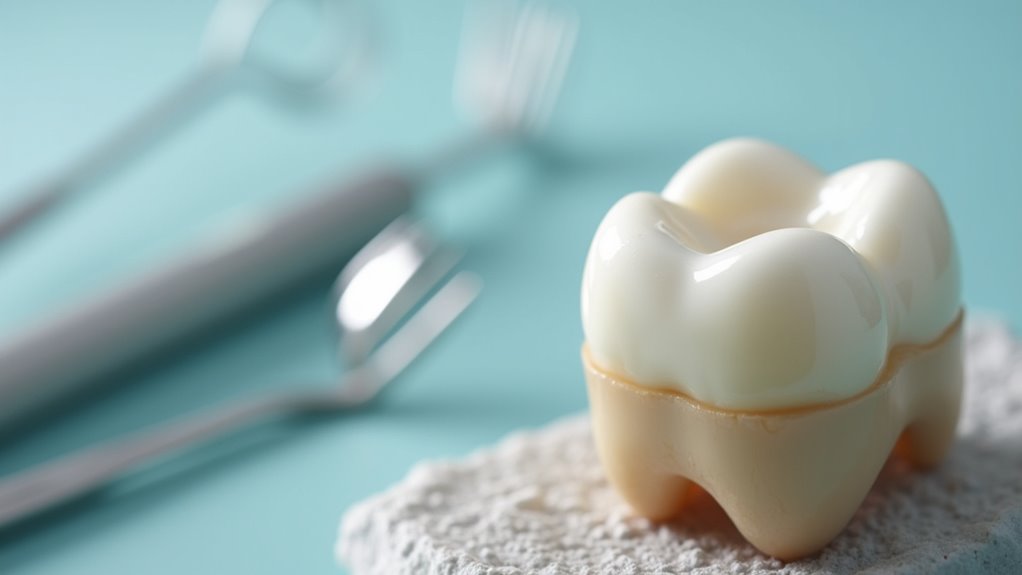
Tooth erosion is the gradual loss of tooth enamel, the protective outer layer of your teeth. This condition often leads to increased tooth sensitivity, making it uncomfortable for you to consume hot, cold, or sweet substances.
When enamel wears away, it diminishes your teeth’s natural defenses against decay and sensitivity. While enamel itself can’t regenerate, certain practices can help support overall dental health.
For example, maintaining a balanced diet rich in calcium and phosphorus can strengthen existing enamel. Regular dental check-ups can also guarantee that underlying issues contributing to erosion are addressed.
Common Causes of Tooth Erosion
Tooth erosion can stem from various factors that you may not even realize are affecting your dental health.
Regularly consuming acidic foods, neglecting proper oral hygiene, or engaging in teeth grinding can all greatly contribute to this issue.
Understanding these common causes is essential for developing effective prevention strategies.
Acidic Food Intake
When you consume acidic foods, you’re exposing your enamel to harmful substances that can lead to erosion over time.
Citrus fruits, like lemons and oranges, are notorious for their high acidity, which can weaken enamel with frequent consumption. Similarly, many acidic snacks, including certain sodas and fruit-flavored candies, can contribute to this process.
Understanding this connection is important, especially if you care for the dental health of yourself and others.
Moderation is key—consider limiting the intake of these acidic options and pairing them with non-acidic foods. Additionally, rinsing your mouth with water after consuming these items can help neutralize the acid and protect your enamel.
Prioritizing this awareness can greatly reduce the risk of tooth erosion.
Poor Oral Hygiene
While maintaining proper oral hygiene may seem straightforward, neglecting it can greatly contribute to tooth erosion. Proper brushing techniques and regular dental checkups are essential for protecting your teeth from decay and erosion.
When you overlook these practices, you’re more vulnerable to harmful bacteria and plaque buildup that weaken enamel.
To combat tooth erosion, consider these key points:
- Brush twice daily using fluoride toothpaste.
- Use gentle, circular motions to minimize gum damage.
- Floss daily to remove plaque between teeth.
- Schedule dental checkups every six months for professional cleaning.
Teeth Grinding Habits
Teeth grinding, or bruxism, can greatly accelerate tooth erosion as it subjects enamel to excessive wear. Many people experience nighttime grinding, often unaware of their habit until they notice symptoms like jaw pain or tooth sensitivity.
Stress management plays an essential role in mitigating bruxism; high stress levels often contribute to increased grinding behaviors. Techniques such as mindfulness, relaxation exercises, and proper sleep hygiene can markedly reduce stress and consequently, grinding episodes.
If you suspect you’re grinding your teeth, it may be beneficial to consult a dental professional. They can recommend protective mouthguards or other treatments to safeguard your enamel and overall oral health.
Maintaining awareness and taking proactive steps can effectively help prevent tooth erosion linked to grinding habits.
The Role of Diet in Tooth Erosion
Your diet plays a critical role in tooth erosion, particularly with the consumption of acidic foods that can weaken enamel.
Sugary beverages also contribute to this issue, as they create an environment that fosters decay.
Understanding these dietary impacts can help you make informed choices to protect your dental health.
Acidic Foods Impact
Acidic foods greatly contribute to tooth erosion, as they can weaken enamel and accelerate its degradation. Consuming these foods regularly, especially in combination with acidic beverages, can amplify the risk.
When considering food pairings, it’s essential to be mindful of your choices. Here are some common acidic foods to watch out for:
- Citrus fruits (like oranges and lemons)
- Tomatoes and tomato-based products
- Soft drinks and energy drinks
- Vinegar and vinegar-containing dressings
Sugary Beverage Effects
While acidic foods can greatly weaken tooth enamel, sugary beverages also play a major role in tooth erosion. The high sugar content in sodas, energy drinks, and sweetened teas fosters harmful bacteria in your mouth, leading to increased acid production.
This acid further erodes your tooth enamel, making your teeth more vulnerable to decay. When making beverage choices, consider opting for sugar alternatives or choosing beverages with lower sugar levels.
Water or unsweetened teas can be excellent substitutes. By being mindful of what you drink and replacing sugary options with healthier alternatives, you can considerably reduce the risk of tooth erosion, promoting better oral health for yourself and those you’re looking to serve.
Medical Conditions Linked to Tooth Erosion
Tooth erosion can often be exacerbated by certain medical conditions that alter the balance of oral health. Understanding these conditions helps you address potential risks effectively.
Here are some key medical issues linked to tooth erosion:
- Gastroesophageal reflux (GERD): Stomach acid can frequently reach the mouth, eroding enamel.
- Autoimmune disorders: Conditions like Sjögren’s syndrome decrease saliva production, reducing natural enamel protection.
- Eating disorders: Frequent vomiting or restricted diets can severely impact your dental health.
- Diabetes: High sugar levels can lead to an imbalance in oral flora, increasing decay risk.
Recognizing these connections enables you to seek proactive solutions to safeguard your teeth.
Consult your healthcare provider if you suspect these conditions could affect your dental health.
Lifestyle Habits That Contribute to Tooth Erosion
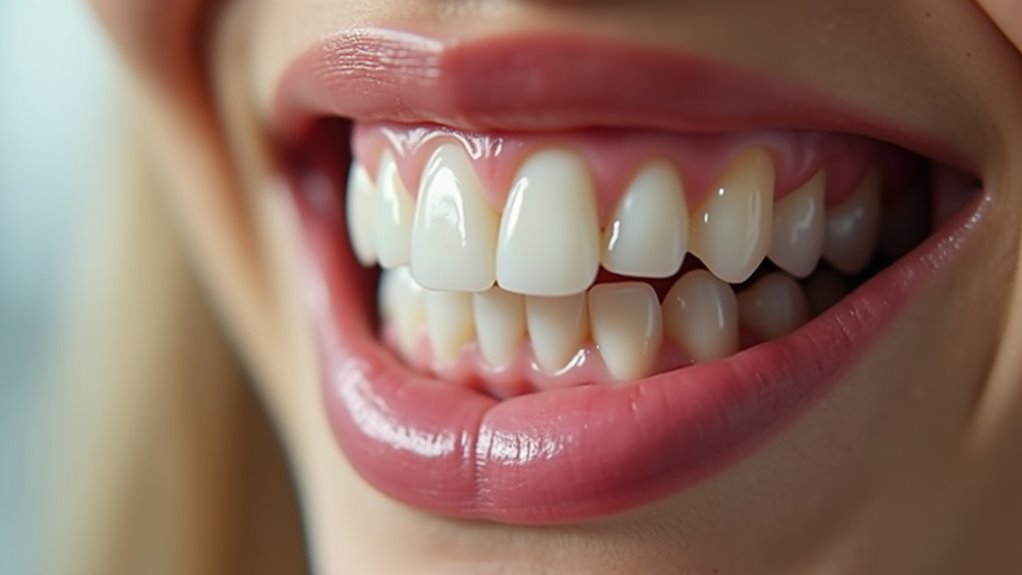
Many common lifestyle habits can unknowingly contribute to tooth erosion, putting your dental health at risk. Frequent consumption of acidic foods and drinks, such as citrus fruits and soda, can weaken enamel over time.
You might also be surprised that over-brushing or using a hard-bristled toothbrush can exacerbate erosion. Additionally, if you grind your teeth, this habit can lead to significant wear on enamel.
Smoking and excessive alcohol consumption can further compromise oral care by reducing saliva production, which protects against erosion.
Regular dental treatments, like professional cleanings and fluoride applications, can help mitigate these risks. By adjusting these habits, you can effectively safeguard your teeth and promote overall oral health.
Symptoms and Signs of Tooth Erosion
As you pay attention to your dental health, be aware that tooth erosion can manifest through several distinct symptoms and signs.
Recognizing these early signs can help you address the issue proactively. Look out for these visual indicators:
- Increased tooth sensitivity, especially to hot, cold, or sweet foods
- Noticeable changes in tooth color, often appearing more transparent or discolored
- Development of dents or grooves on the tooth surface
- Frequent cavities or decay in previously healthy areas
Effective Prevention Strategies
While maintaining good dental hygiene is essential, implementing effective prevention strategies can greatly reduce the risk of tooth erosion.
To enhance saliva production, stay hydrated and incorporate crunchy fruits and vegetables into your diet. Saliva neutralizes acids and protects your enamel.
Additionally, regular fluoride use, through toothpaste or professional treatments, strengthens your teeth and makes them more resistant to erosion. Limit acidic foods and beverages, such as citrus fruits and soda, as they can contribute to enamel wear. Consider using a straw when consuming these drinks to minimize contact with your teeth.
Finally, schedule regular dental check-ups to monitor your oral health, ensuring any emerging issues are addressed promptly.
When to Seek Professional Help
How can you tell if it’s time to seek professional help for tooth erosion? Recognizing the signs early can prevent further damage.
A dental evaluation is essential if you notice any of the following:
- Increased tooth sensitivity, especially to hot or cold substances
- Noticeable erosion, such as enamel thinning or discoloration
- Frequent cavities despite good oral hygiene
- Pain or discomfort when chewing
If you experience these symptoms, don’t hesitate to consult a dentist. They can provide a thorough assessment and discuss appropriate treatment options tailored to your needs.
Addressing tooth erosion promptly can save your smile and improve your overall dental health. Remember, your teeth deserve the best care!