
Tooth implant costs in Canada range from $3,000 to $6,000, varying considerably by province. In Ontario, expect prices between $3,000 and $5,500, while British Columbia sits at about $4,000 to $6,000. Alberta generally charges between $3,500 and $5,800. Insurance coverage and local demand can affect your out-of-pocket expenses, and many clinics offer flexible payment plans. Understanding these factors is essential, and there’s more valuable information on options available to you.
Summary Point
- Tooth implant costs in Canada range from $3,000 to $6,000, varying significantly by province and clinic.
- Ontario’s average prices are between $3,000 and $5,500, while British Columbia ranges from $4,000 to $6,000.
- Alberta sees costs typically between $3,500 and $5,800, reflecting regional demand and healthcare trends.
- Insurance coverage for dental implants can vary, with many practices offering flexible payment plans or third-party financing options.
- Researching local options and comparing costs is essential for informed decision-making on dental implants.
Understanding Tooth Implant Costs in Canada
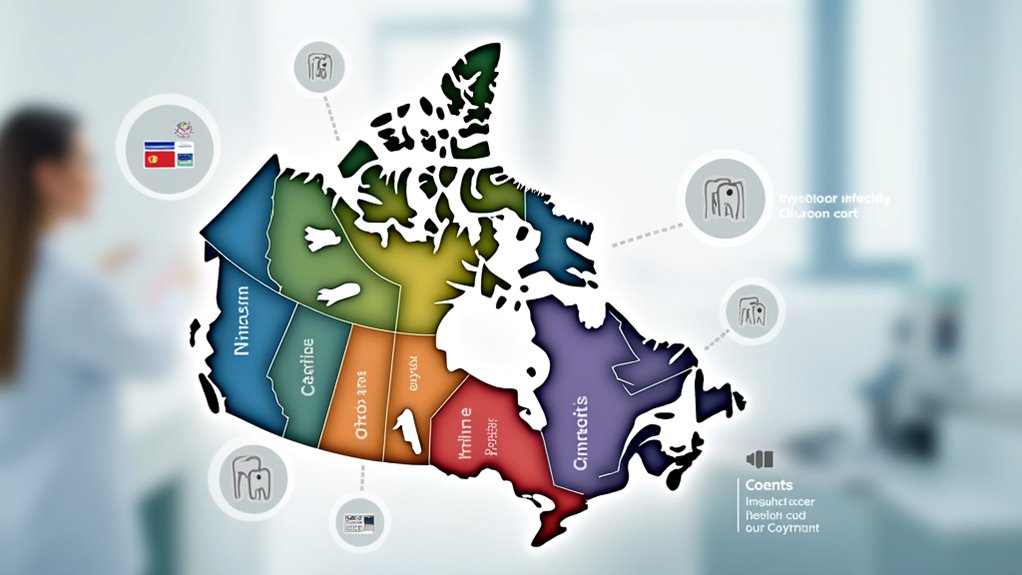
When considering a tooth implant in Canada, you might be surprised by the range of costs you’ll encounter.
Factors such as location, the type of implant, and the experience of the dentist play important roles in determining the price.
Additionally, dental tourism is gaining popularity as an alternative, offering potential savings without compromising quality.
Opting for procedures abroad may initially seem appealing, but it’s essential to weigh those costs against long-term benefits.
A well-placed implant can improve your oral health and boost confidence, reducing future dental issues and expenses.
As you explore your options, understanding these elements will help you make an informed decision that serves not only your wallet but also your overall well-being.
Average Costs of Tooth Implants by Province
Understanding the average costs of tooth implants across Canada can provide valuable insights into budget planning.
Generally, costs can vary markedly by province due to regional trends in healthcare and local demand. For instance, you might find that provinces like Ontario have a broader range of pricing, while others like Newfoundland may offer competitive rates.
Typically, the average price for a single implant ranges from $3,000 to $6,000, affecting your overall implant success rates. In regions where dental professionals are more prevalent, you may discover lower costs due to increased competition.
It’s crucial to research local options and consult with providers who can help you navigate these variations while ensuring quality care.
Comparing Costs: Ontario vs. British Columbia vs. Alberta
When comparing tooth implant costs across Ontario, British Columbia, and Alberta, you’ll notice significant pricing differences influenced by various factors.
Regional demand, the cost of living, and dental practice overhead can all affect what you pay for your implant.
Additionally, don’t forget to check your insurance coverage, as it can vary widely between provinces and impact your out-of-pocket expenses.
Provincial Pricing Differences
While the quest for a quality tooth implant can benefit from comparing prices, it’s essential to be aware of the significant regional differences across Canada.
The costs can vary widely due to provincial comparisons and unique pricing trends. Here’s a quick look at the average costs in three provinces:
- Ontario: Prices generally range between $3,000 and $5,500.
- British Columbia: Expect to pay about $4,000 to $6,000 on average.
- Alberta: Costs may fall between $3,500 and $5,800.
Understanding these differences can help you make informed decisions while planning your dental journey.
Researching further can empower you to find the best options while serving your oral health needs effectively.
Factors Influencing Costs
Several factors influence the costs of tooth implants across Canada, particularly when comparing provinces like Ontario, British Columbia, and Alberta.
First, the material types used for implants vary in price, with premium options typically costing more.
Next, the clinic location plays a significant role; urban areas often have higher overhead costs, which can reflect in your final bill.
Additionally, the experience of the dentist can impact pricing. A seasoned professional may charge more, but their expertise often leads to better outcomes.
Finally, procedural complexity is another essential factor; more intricate cases require additional time and resources, raising costs.
Understanding these elements can help you make informed decisions and better serve your dental health needs.
Insurance Coverage Variations
Understanding insurance coverage variations is essential as you navigate the costs of tooth implants in Canada, given that these differences can considerably affect your out-of-pocket expenses.
Each province presents unique insurance limitations and coverage discrepancies that you must consider.
Here are three key factors to keep in mind:
- Provincial Plans: Ontario’s public dental plan offers limited coverage, while British Columbia has more extensive options through certain private plans.
- Employer Benefits: Alberta tends to have higher employer-sponsored dental benefits, increasing your chances of coverage for implants.
- Out-of-Pocket Costs: Variances in reimbursement rates across provinces can lead to substantial out-of-pocket costs, making it vital to examine your policy closely.
Understanding these elements can empower you to make informed decisions about your dental care.
Factors Influencing Tooth Implant Costs

When considering tooth implant costs in Canada, several key factors come into play that can greatly influence the final price.
First, market demand varies across provinces; higher demand can drive prices up, especially in urban areas. Additionally, regional economies affect costs, as the cost of living in a specific area often correlates with service prices. For instance, dental clinics in affluent neighborhoods might charge more than those in rural regions.
Moreover, the specific materials and technology used for implants impact price points, as advanced options tend to be more expensive.
Lastly, the expertise and reputation of the dental professional can also contribute to the overall cost of your tooth implant procedure. Understanding these factors can help you make informed choices.
Insurance Coverage for Tooth Implants
How does insurance coverage influence your decision on tooth implants? Understanding your dental plans can considerably shape your choices.
Before you commit, consider these key points:
- Coverage Limits: Many dental plans have specific limits on what they’ll cover for dental implants, so knowing these limits helps in budgeting your expenses.
- Waiting Periods: Some insurance policies impose waiting periods before you can claim benefits for tooth implants, which may delay your treatment.
- Exclusions and Criteria: Familiarize yourself with exclusions in your plan; some may not cover implants if they’re deemed cosmetic or not medically necessary.
Financing Options and Payment Plans
Even with insurance coverage, you might still face significant out-of-pocket costs for tooth implants. That’s where financing options and payment plans can make a difference.
Many dental practices offer flexible payment plans that allow you to spread your costs over several months or even years, helping you manage the financial burden. You can also explore third-party financing companies offering loans specifically for dental procedures. These options often come with low-interest rates, making them accessible and manageable.